Use the consultation to collect evidence
Use this checklist when you are ready to interview contractors for work in an existing home. Send a short project brief ahead of each meeting, record the answers and request written follow-up on price or responsibility. The result should be one comparable interview record for each candidate.
These questions apply to a planned renovation, from an interior reconfiguration to a larger alteration. They are not a substitute for a project design or a contract. A contractor may reasonably need a site visit, drawings or specialist advice before answering some of them. Ask what information is missing and who will obtain it.
Questions 1–3: fit, people and verification
- What similar projects have you completed, and what was your role? Describe the feature that makes your job difficult: an occupied house, structural changes, limited access or unusual finishes. Ask for an example that matches that challenge, not simply a room with a similar appearance.
- Who will manage my project day to day? Get the proposed supervisor's role, expected attendance and communication arrangements. Ask whether you can meet them before committing. Identify who answers urgent site questions and who has authority to approve costs.
- Which business will sign the agreement, and what documentation can I verify? Ask for the contracting entity, relevant licence details and insurance evidence. Toronto's Building Renovator licensing page explains its requirement for businesses offering renovation services. Verify the entity and applicable credentials yourself.
Questions 4–6: design and project boundaries
- What information do you need before providing a reliable price? Ask whether measured drawings, structural advice, selective investigation or product selections are missing. Record which preliminary tasks cost money and whether those costs are included in the later construction agreement.
- Who produces and coordinates the design? Establish who resolves conflicts between architectural, structural and mechanical information. Ask whether the contractor's proposal includes design work, coordination only or construction from drawings supplied by you. The phrase “we take care of it” needs detail.
- What exactly is excluded? Discuss appliances, painting, waste removal, landscaping repair and making good areas disturbed outside the main room. Ask whether temporary facilities and final cleaning are included. Have exclusions collected in one place rather than scattered through a long proposal.
Questions 7–9: money and changes
- Which prices are fixed, and which are allowances or estimates? Ask what an allowance purchases, whether installation and tax are included, and how unused amounts are credited. A provisional amount for tile says little unless the assumed quantity and product price are clear.
- How will you price and approve a change? Request a sample change form. It should make the work, cost and schedule effect understandable before approval. Agree on an emergency procedure so that a genuine urgent condition is handled without turning every surprise into an open-ended instruction.
- What supports each payment request? Ask how the proposed stages relate to completed work or identified purchases. Discuss invoices, progress records and who holds materials bought in advance. Obtain legal advice about contract payment and holdback obligations rather than relying on a sample schedule downloaded online.
When written prices arrive, transfer the answers about inclusions and allowances into the construction quote comparison checklist.
Questions 10–12: approvals and life during the work
- Who checks approvals, submits applications and arranges inspections? Ask for these responsibilities in writing, including the handover of permit records. Toronto's permit guidance identifies common work requiring approval and states that the owner remains responsible for compliance. “No permit needed” should have a reason tied to the actual scope.
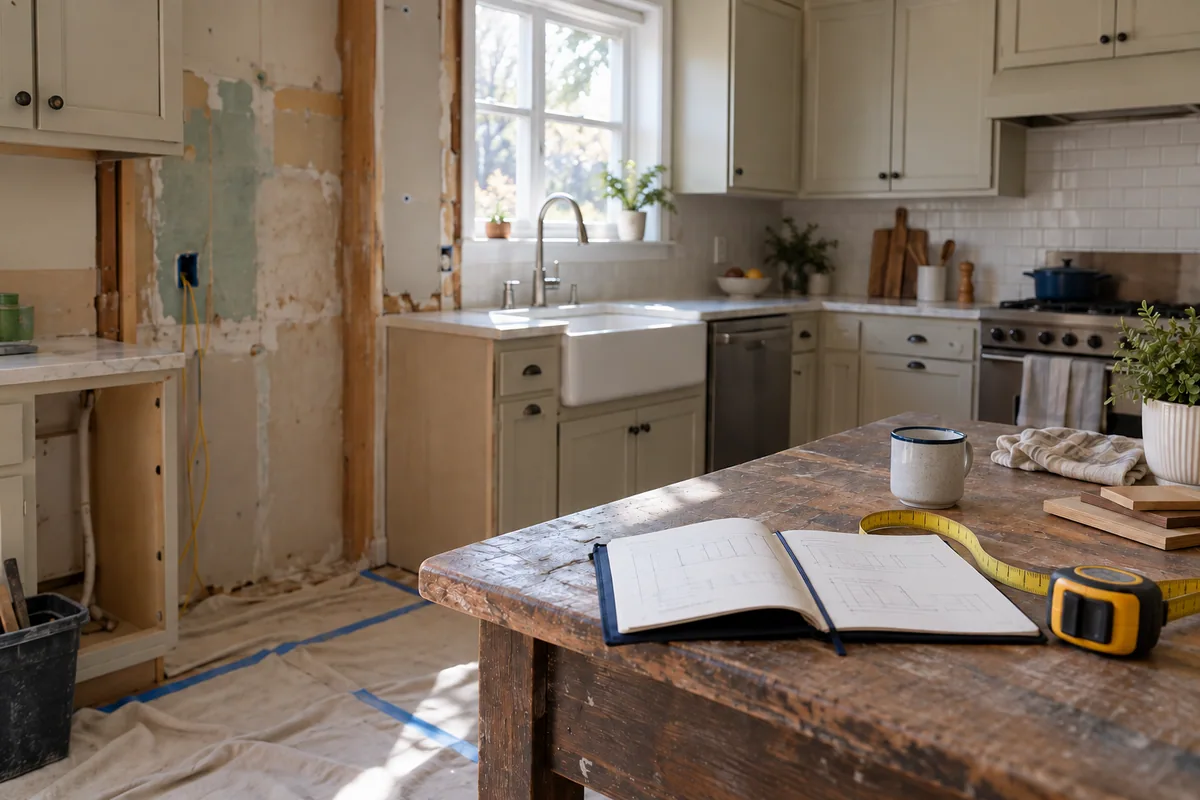
- How will you protect the household and neighbouring property? Discuss work-area separation, dust, access, temporary weather exposure and emergency contacts. If you plan to remain at home, ask which facilities will be unavailable and for how long. Include arrangements for children, pets and deliveries.
- What assumptions support the schedule? Ask about long-lead products, decisions due from you, inspection stages and dependencies between trades. Distinguish a preferred start date from a committed construction sequence. Find out how you will be told when an assumption changes.
For the sequence from initial municipal enquiries to inspection records, see the Toronto building permit preparation guide.
Questions 13–15: communication and completion
- How will we resolve a disagreement? Ask who reviews a disputed invoice or workmanship concern and how it is documented. Clear escalation is useful even with a team you like. For major work, have counsel explain the proposed dispute process before you sign.
- What does completion include? Discuss the inspection record, outstanding-work list, instructions, product documents, keys and final cleaning. Ask who returns to fix remaining items and how appointments are arranged. A final walkthrough should produce a written list rather than depend on memory.
- What follow-up and warranties will be documented? Separate product warranties from the contractor's obligations. Ask what is covered, the process for reporting a problem and the contact after handover. Avoid treating a broad verbal assurance as a complete warranty.
Turn the answers into a hiring decision
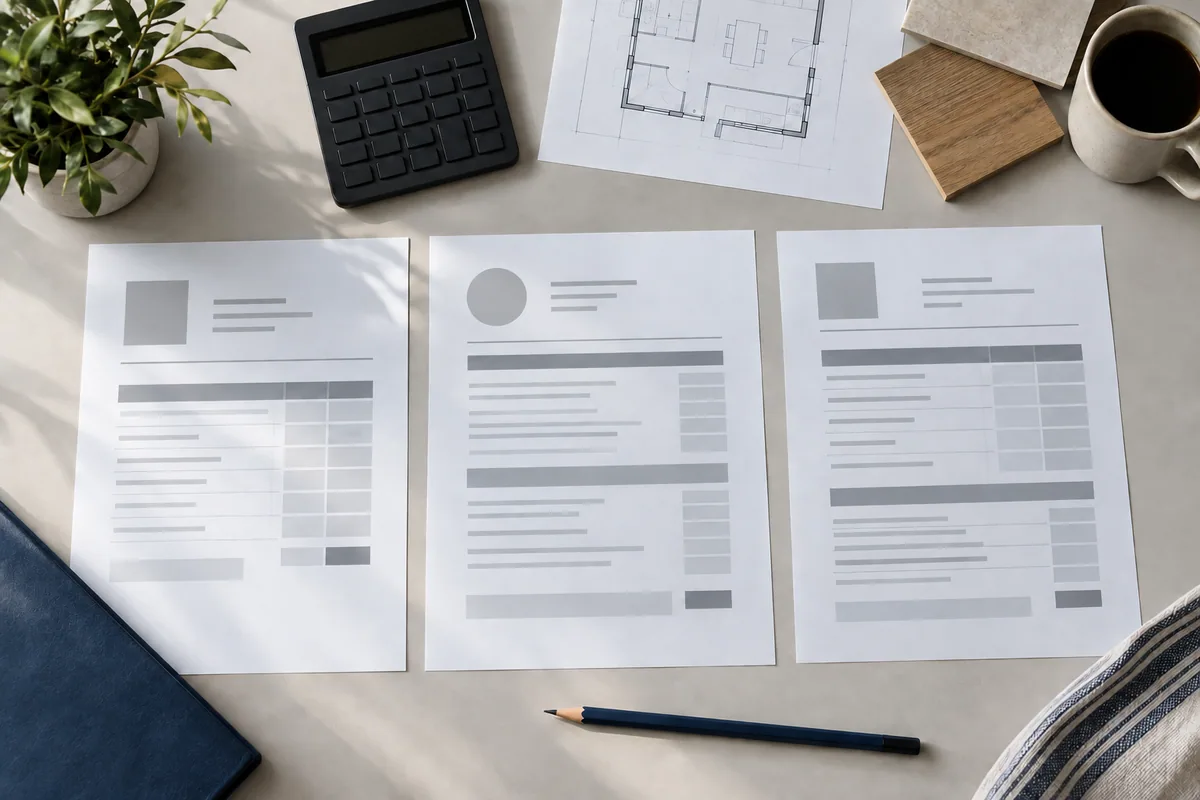
After each meeting, label answers “confirmed,” “needs evidence” or “not included.” Follow up on important gaps before comparing price. A fast quotation with unresolved assumptions is not yet a complete offer. Read Ontario's consumer guidance for renovations for the provincial advice on written estimates and agreements.
Choose the contractor whose evidence, scope and working arrangements fit the project. Keep the completed questionnaire with the proposal; it is a useful reminder of what needs to be reflected in the final contract.
Sources & further reading
Public sources checked September 15, 2026. Confirm current requirements before acting.
- City of Toronto: Building Renovators — Toronto's Building Renovator licence requirement; checked September 15, 2026.
- City of Toronto: When Do I Need a Building Permit? — Common projects requiring permits, owner's responsibility, and continuing zoning obligations; checked September 15, 2026.
- Ontario: Your rights when starting home renovations or repairs — Written estimates and contracts, estimate protections, and homeowner due diligence; checked September 15, 2026.